In the ancient world, when grieving for a dead person, idol worshippers would make a bald spot in their hair between the eyes. The Torah explicity forbids this practice in Parshat Re'eh. Why?
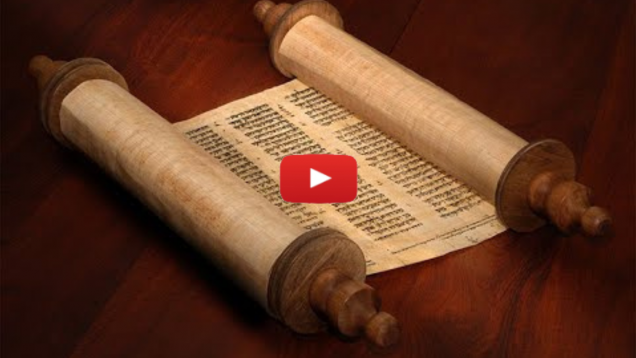
Last year was the Shmitta (Sabbatical) year. When the Beit HaMikdash (Holy Temple) stood, at the end of the Shmitta year during the festival of Sukkot, the king would read from the Torah to the entire nation. This mitzva symbolized his kingship. Is it mere coincidence that the year of the coronation of King Charles III coincides with this mitzva?
In Parshat Shofetim, the Torah mandates the creation of judges and enforcement officers, "You shall place judges and officers in all your gates…"
Why is it necessary to have both judges and enforcement officers? Why couldn’t the judges also be the enactors of its enforcement?